In modern digital marketing, businesses often struggle to choose between Facebook Ads and Google Ads. Both platforms dominate online advertising, yet they serve different purposes. Understanding how each platform works helps businesses generate more leads, improve ROI, and build sustainable growth.
Instead of asking which platform is better, marketers should ask: when should I use Facebook Ads and when should I use Google Ads?
Core Difference Between Facebook Ads and Google Ads
The primary difference lies in customer intent.
- Facebook Ads create demand
- Google Ads capture demand
When users scroll social media, they are not actively looking to buy something. Facebook introduces products to them. However, when users search on Google, they already have a need. Google shows ads at the exact moment they are ready to act.
How Facebook Ads Work
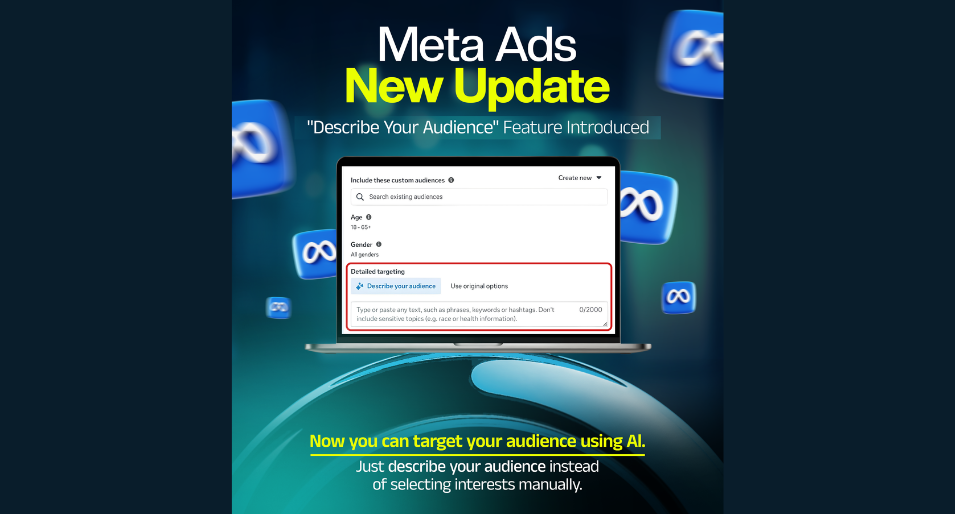
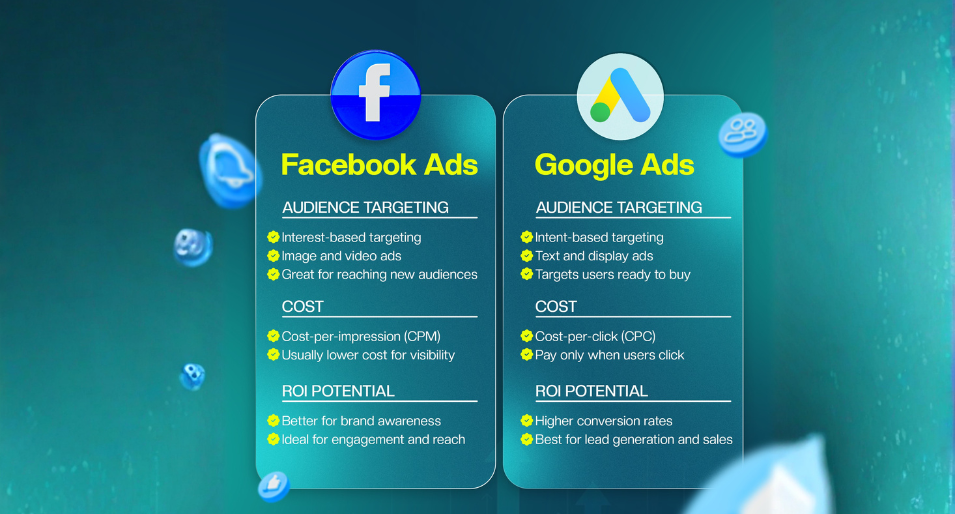
Facebook Ads use interest-based targeting. The system studies user behaviour including interests, demographics, activity, and engagement patterns. Based on these signals, ads are shown to people who may be interested in the product.
Advantages of Facebook Ads
- Strong brand awareness campaigns
- Excellent visual storytelling
- Lower cost per thousand impressions
- Powerful retargeting options
- Ideal for product discovery
Facebook works best in the early stage of the marketing funnel where customers are learning about a brand for the first time.
How Google Ads Work
Google Ads use keyword targeting. Advertisements appear when users search for specific queries such as services, products, or solutions. This means users already have buying intent.
Advantages of Google Ads
- High conversion potential
- Pay per click model
- Immediate lead generation
- Strong local marketing performance
- Best for service businesses
Google performs best at the bottom of the funnel where customers are ready to purchase or contact a business.
Cost Comparison
Facebook Ads generally cost less per impression but may require time to convert. Google Ads may cost more per click but generates faster conversions. Therefore, Facebook focuses on reach while Google focuses on action.
When to Use Facebook Ads
- Launching a new business
- Building brand awareness
- Promoting offers and events
- Growing social media followers
- Introducing new products
When to Use Google Ads
- Generating leads
- Driving website inquiries
- Booking services
- Targeting local customers
- Closing sales quickly
Best Marketing Strategy
The most effective strategy is combining both platforms.
Facebook Ads bring new visitors and build interest. Google Ads convert interested visitors into paying customers. This creates a complete marketing funnel from awareness to conversion.
Conclusion
Facebook Ads and Google Ads are not competitors but complementary tools. Businesses that use Facebook for discovery and Google for conversion achieve higher marketing success. By understanding user behavior and marketing stages, companies can maximize performance and long-term growth.